- Heat batteries plus heat pumps can deliver affordable heat that industry requires
- British company Caldera sees ten-fold increase in enquiries
- Dash to electrify in face looming gas crunch – with 400-500 percent increase in bills
- Heat pumps alone cannot deliver the kind of heat food industry needs – typically 100 – 250°C
Giant heat batteries made in Britain could be the key to helping the UK food and drink manufacturing industry wean itself off gas, as fossil fuel prices spike worldwide.
Heat is a vital component for a vast array of food and drinks processes – from brewing beer to making tinned goods, ready meals and pet foods – and this is typically delivered as high pressure steam, generated by gas or oil boilers.
Now manufacturers are rapidly seeking ways to electrify their heat, with the sector’s Food and Drink Federation predicting price energy spikes of 400-500 percent in the months ahead.
Heat batteries could be the key.
British company Caldera, which specialises in the technology, has seen a ten-fold increase in enquiries in the last month.
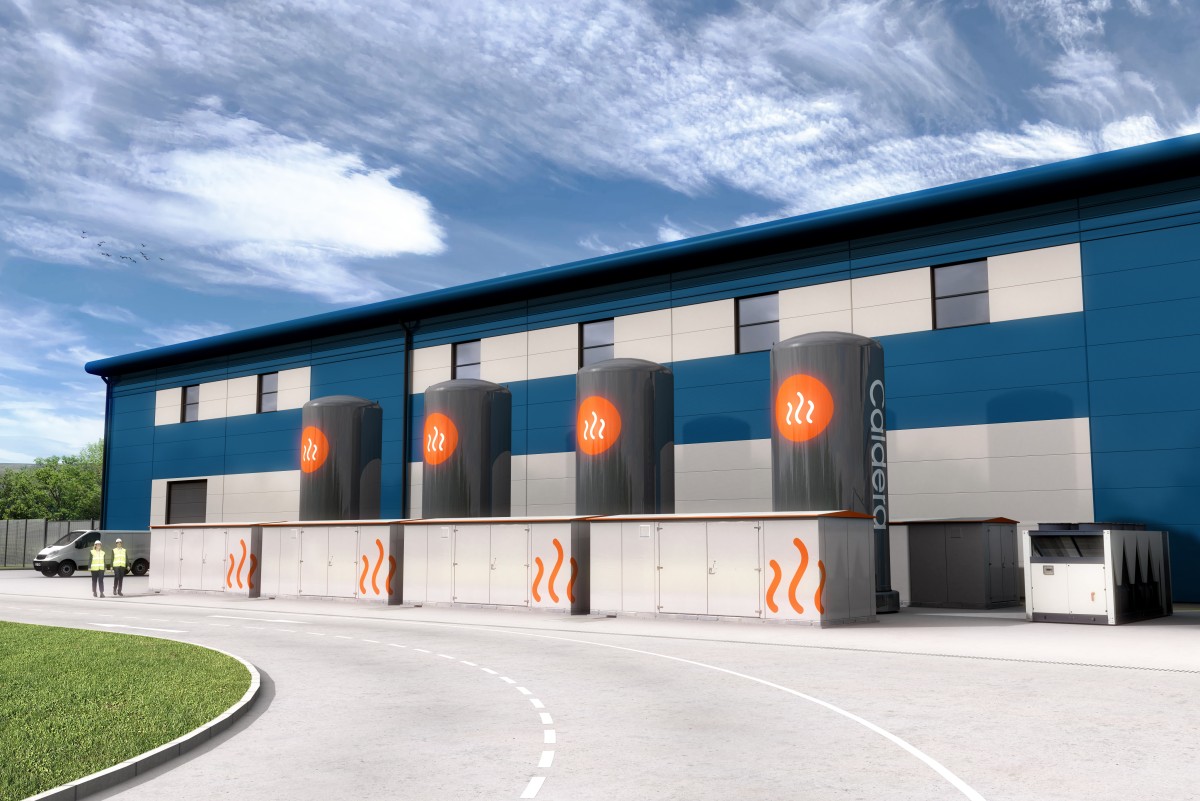
Their technology takes off peak electricity and stores it in giant, super-insulated heat batteries, made of aluminium and rock, and releases the heat as steam whenever required.
Unlike heat pumps, which struggle to deliver heat above 100°C, heat batteries can deliver affordable heat up to 250°C.
Their 4MWh model stands seven metres tall and can deliver enough heat to brew 2,000 pints of beer.
“One big advantage of heat batteries is that we can charge up when energy is cheap,” says company CEO James Macnaghten.
“Across Europe, and increasingly in Britain, we are seeing times of day when electricity costs are zero. Industrial users can take advantage of this to bank up cheap heat and release it when needed – either in parallel to their existing gas boilers, or in combination with heat pumps.
“Heat pumps are great at delivering base loads and we can then boost this up to the temperatures that industry requires,” James says.
His company, which last year secured a £10 m investment from German industrial giant GEA, is now facing an influx of enquiries as industrial customers dash away from gas.
“We already have two commercial orders, one which we are installing this year and one in 2027, and we are now firming orders for the next three years.
“Customers are catching on that heat batteries allow you to capitalise on a fast-evolving electricity market to buy power when it’s cheap and use it when it is needed. It feels to me like its time has come,” James concludes.