Powders, cement, sand, chemicals, foodstuffs, biogas and sewage are just some of the types of media where tight shut off valves are the ideal solution. The list of possibilities are endless!
 The AKO Pinch Valve is a perfect tight shut off valve and can be used in many applications due to the diversity of the AKO UK range. Sizes range from 10-300mm with a variety of end connections available which include, PN10/16, ANSI150, Screwed BSP, Tri Clamp/Clover, IDF and RJT. End materials include, POM, Stainless Steel, PVC, and Aluminium (with and without Mild/Stainless Steel bushings on flanges). Bodies can be made of Aluminium, POM, PVC or Stainless Steel.
 The range of sleeves for tight shut off valves by AKO include, Natural Rubber (High temperature if required), Natural Rubber Food Quality (FDA Approved), Neoprene, EPDM, Viton, Silicon, Nitrile, Hypalon and Butyl.
Tight Shut Off Valves – How much Control Pressure should be used?
Tight shut off valves can sometimes have too much control pressure applied to close them by an engineer on site, which can shorten the life of the rubber membrane. For example if 6 BAR of pressure is used to close this tube membrane valve on a gravity fed application, this is too much because only 2-2.5 BAR above the line pressure is needed to fully close the tight shut off valve. Therefore, only 2 BAR is required to close, as there is no line pressure present in the flow of media.
Repairing a Tight Shut Off Valve
Tight shut off valve repair takes place by replacing the rubber hose inside the housing. The process of replacing the rubber hose inside a tight shut off valve is quick and simple using a fitting kit, which consists of mounting wood, mounting pipe, lubricant paste, and assembling screws, nuts & bolts.
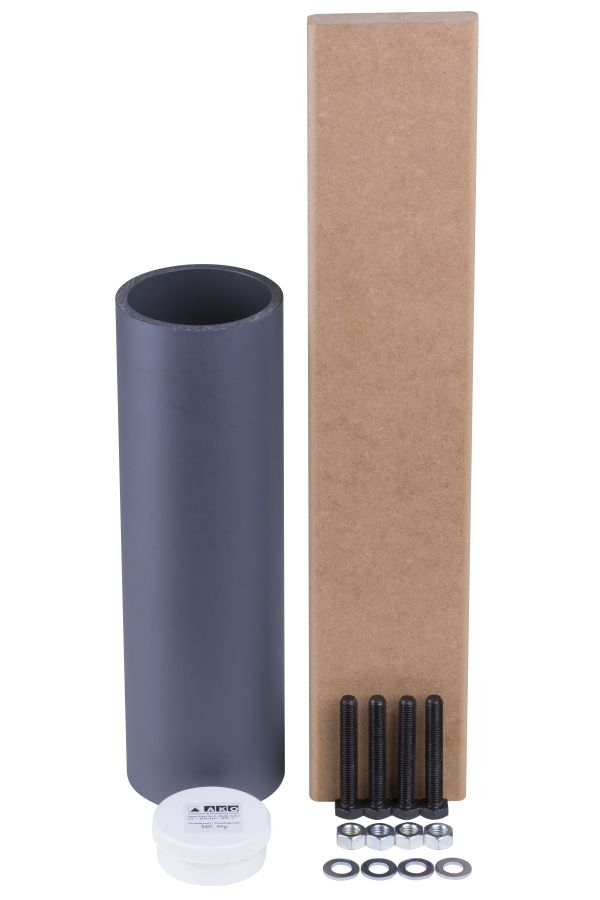 Replacing the rubber sleeve/hose/membrane inside a tight shut off valve is a procedure which should not need taking place very often, and it is the only wearable part inside the valve. The parts for the valve are very low cost and easy to replace.
For more information please visit, why tight shut off valves with a squeeze-closed sleeve are the better option.