Automation is becoming a much greater necessity in manufacturing processes. From pharmaceuticals to petrochemicals, manufacturers are under increasing pressure to streamline operations, minimise waste, and ensure product consistency. Central to this transformation is a range of smart technologies, and among the most critical, yet often under-appreciated, are flow meters.
Flow meters, which measure the volume or mass of a fluid moving through a system, provide the data that powers modern automation. In industries where fluid movement is integral to the process, the ability to accurately measure and control flow is not just helpful — it’s essential.
The foundation of automation: Data and control
At its core, automation is about control: the ability to precisely regulate systems without constant human intervention. This requires accurate, real-time data, which is where sensors come into play. Among those sensors, flow meters serve a distinct and vital role by monitoring the movement of liquids and gases within pipes or conduits. This data allows automated systems to make decisions, whether that’s adjusting a valve, triggering an alarm, or altering a mixing ratio.
Without reliable flow measurement, any automated system that relies on fluid control would be prone to inefficiencies or even failure. In short, flow meters serve as the eyes and ears of fluid-based automation systems.
How flow meters enable smart automation
One of the primary benefits of flow meters in automated systems is precision. In many industries, small variations in flow can lead to significant differences in product quality. For example, in the food and beverage sector, flow meters help ensure that ingredient proportions remain consistent from batch to batch. Similarly, in pharmaceuticals, flow monitoring is crucial for dosing accuracy and regulatory compliance.
Flow meters also enable what’s known as closed-loop control. This means that the system uses feedback from the flow meter to automatically adjust operations in real time. If a flow rate dips below a set point, for instance, a pump can be automatically activated to correct it. This kind of responsive automation reduces the need for manual oversight and increases system reliability.
Additionally, flow meters contribute to resource and energy efficiency. By tracking the flow of water, steam, fuel, or chemicals, organisations can identify leaks, overuse, or inefficiencies that might otherwise go unnoticed. Over time, this can result in significant cost savings and environmental benefits.
Flow meter types and their automation roles
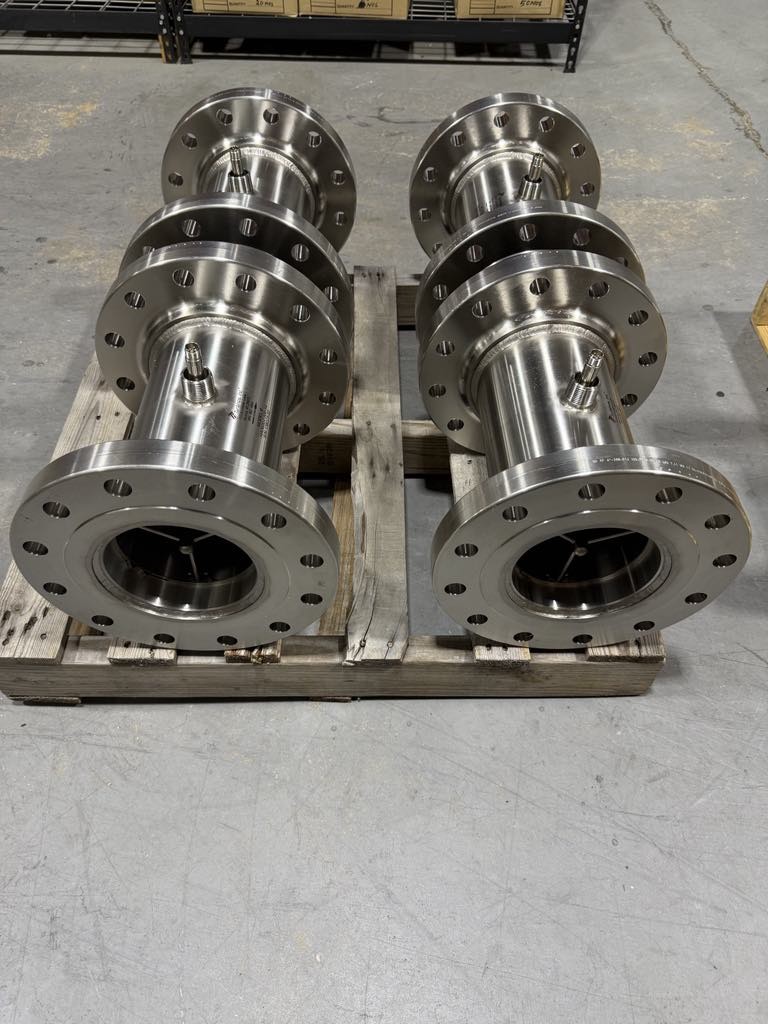
Not all flow meters are created equal, and different types serve different roles within automation systems. Turbine flow meters, for instance, offer high accuracy and are well-suited for clean, steady flows such as fuels or water-based liquids. Their relatively simple mechanical design makes them reliable in controlled environments.
Coriolis and magnetic flow meters, on the other hand, provide advanced capabilities. Coriolis meters measure mass flow directly and are ideal for applications where fluid density may vary. Magnetic meters, which rely on the conductive properties of the fluid, are often used in water and wastewater treatment, where maintenance access can be limited.
Ultrasonic and vortex flow meters offer additional options, particularly in environments where minimal intrusion and low maintenance are priorities. Ultrasonic meters, which use sound waves to measure flow, are especially useful in situations where the fluid is not compatible with internal meter components.
Each type of meter brings unique advantages, and the selection often depends on the specific needs of the process, the properties of the fluid, and the level of automation required.
Real-world applications in automated systems
Across industries, flow meters have become integral to automation strategies. In manufacturing, for example, automated paint lines rely on precise flow measurement to ensure consistent coating thickness and material usage. Chemical plants use flow meters to monitor and control the blending of ingredients — a process that demands real-time accuracy to prevent costly errors.
In the oil and gas sector, flow meters are crucial for custody transfer — the accurate measurement of fluids being bought, sold, or moved — where even small discrepancies can have financial implications. Automated systems ensure these transfers happen with minimal human oversight, and flow meters provide the necessary transparency and accountability.
Pharmaceutical companies, facing strict regulatory requirements, use flow meters in automated systems to validate processes, manage batches, and maintain sterility. Meanwhile, water and wastewater facilities depend on flow meters to automate treatment processes, manage distribution networks, and optimise energy use — particularly as infrastructure becomes smarter and more connected.
The Future: IoT, Industry 4.0, and flow meter innovation
As industries move further into the era of Industry 4.0, the integration of flow meters with digital technologies is accelerating. Many modern flow meters now include built-in connectivity for IoT platforms, enabling remote monitoring, predictive maintenance, and integration with cloud-based analytics tools.
Self-calibrating meters and diagnostic capabilities are also becoming more common, allowing systems to detect issues before they cause downtime. This shift from reactive to proactive maintenance is a key advantage in automated environments.
Moreover, as sustainability and efficiency become central to industrial strategies, the role of flow meters in tracking and optimising resource use will continue to expand.
Why add A flow meter To your automation process?
Flow meters may not always receive the attention given to more high-profile automation technologies, but their role is foundational. They deliver the data that enables precision, efficiency, and control in countless automated systems. Whether managing the dosage of a life-saving drug, monitoring wastewater output, or optimising fuel usage in a processing plant, flow meters quietly keep automation running smoothly.