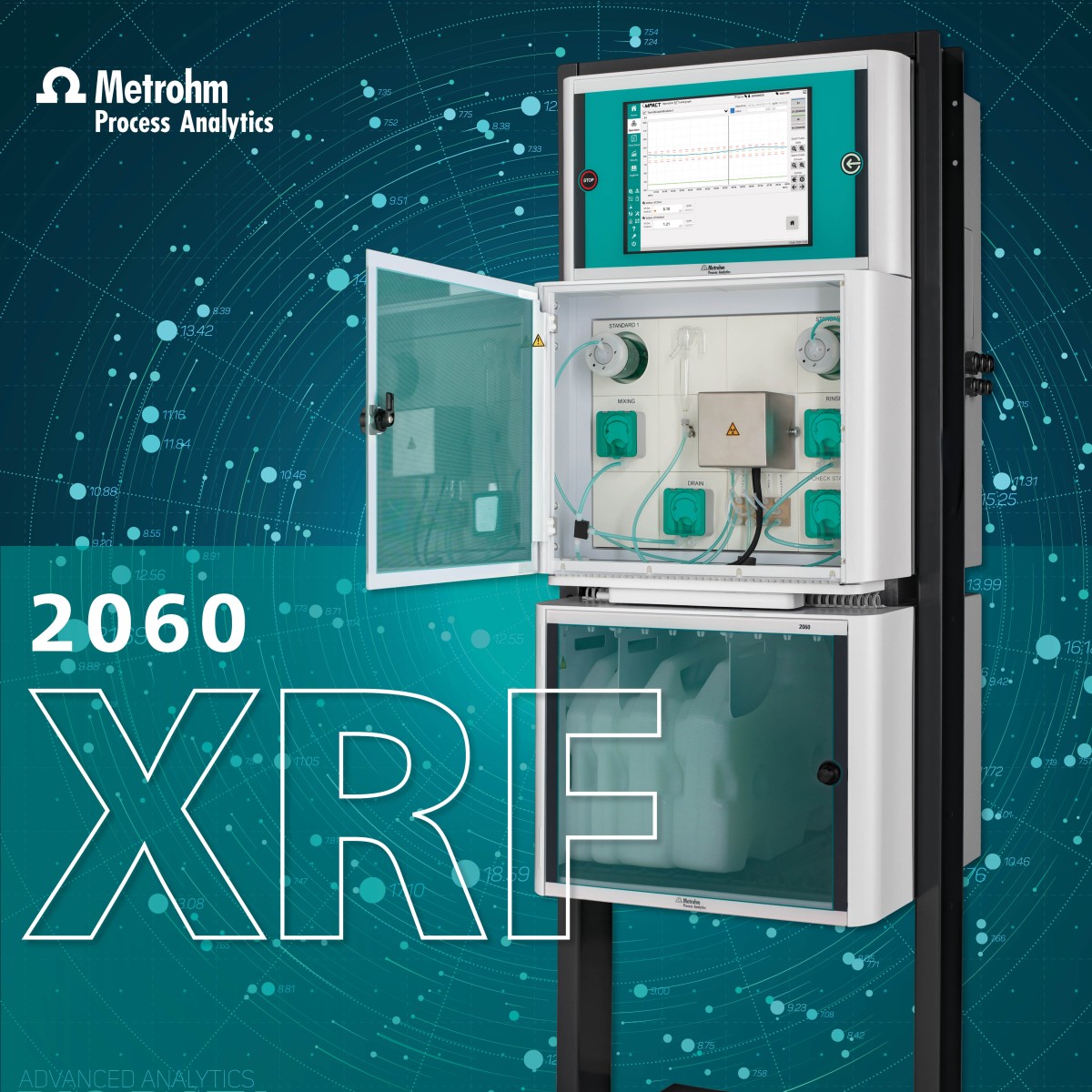
Maintaining a stable plating bath composition is essential for achieving consistent electroplating results. Any variation in the chemical balance of the bath can directly impact coating quality, leading to defects, rework, and increased production costs. In industries such as automotive, aerospace, and marine manufacturing, where corrosion resistance is critical, even small inconsistencies can have serious consequences for component performance and longevity.
Zinc-nickel (Zn/Ni) coatings are widely used for corrosion protection due to their superior performance compared to pure zinc. In fact, Zn/Ni coatings can offer up to five to six times greater corrosion resistance, making them ideal for components exposed to harsh environments. However, maintaining the correct ratio of zinc to nickel in the plating bath is vital to achieving these benefits. If concentrations drift outside the optimal range, the resulting coating may not meet required specifications.
Traditionally, plating bath analysis has relied on laboratory-based techniques such as titration, atomic absorption spectroscopy (AAS), or inductively coupled plasma optical emission spectroscopy (ICP-OES). While accurate, these methods are time-consuming and require manual sampling. This creates a delay between sampling and results, meaning operators are often making decisions based on outdated information. As a result, process adjustments may come too late to prevent defects or inefficiencies.

To overcome these limitations, real-time analytical technologies are increasingly being adopted. One such solution is the Metrohm 2060 XRF Process Analyser, which uses X-ray fluorescence (XRF) to continuously monitor zinc and nickel concentrations directly within the plating process. This online approach provides immediate insights into bath composition, allowing operators to respond quickly to any changes.
Electroplating works by passing an electric current through a solution containing dissolved metal ions, depositing a thin metallic layer onto a substrate. In Zn/Ni plating, both alkaline and acidic bath types are used. Alkaline baths are known for producing uniform coatings with good coverage on complex shapes, while acidic baths typically offer faster deposition rates and brighter finishes. Regardless of the bath type, maintaining stable operating conditions is key to consistent results.
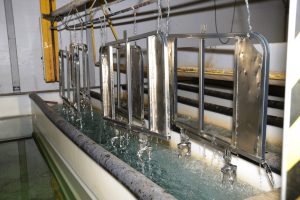 Plating baths are dynamic systems influenced by multiple factors, including temperature fluctuations, contamination, and variations in workload. These changes can alter metal ion concentrations and affect deposition rates. Without frequent monitoring, it becomes difficult to maintain control, increasing the risk of producing off-specification parts.
The 2060 XRF Process Analyser addresses this challenge by providing continuous, automated measurement of zinc and nickel levels. The system draws a sample from the process stream into a measurement cell, where it is exposed to X-rays generated by a tungsten tube. This causes the elements in the sample to emit characteristic fluorescence, which is detected and analysed to determine their concentrations.
The analyser is calibrated using known standards to ensure accuracy across typical operating ranges, such as approximately 6.5–9.5 g/L for zinc and 0.5–2.5 g/L for nickel. This calibration process ensures reliable and repeatable results, giving operators confidence in the data being generated.
One of the key advantages of real-time monitoring is the ability to make immediate process adjustments. Instead of waiting for laboratory results, operators can respond instantly to deviations, helping to maintain the correct bath composition at all times. This leads to improved coating consistency, reduced waste, and lower operating costs.
In addition to improving product quality, continuous analysis also enhances safety and efficiency. By reducing the need for manual sampling and handling of potentially hazardous chemicals, the system minimises operator exposure and streamlines workflow. It also reduces reliance on external laboratory testing, freeing up time and resources.
The use of process analytical technology (PAT), such as the 2060 XRF Process Analyser, represents a significant step forward in electroplating control. By continuously tracking critical parameters, PAT systems enable a more proactive approach to process management, reducing variability and improving overall performance.
In summary, real-time monitoring of zinc and nickel concentrations offers clear advantages over traditional methods. By integrating online XRF analysis into the electroplating process, manufacturers can achieve greater control, ensure consistent coating quality, and optimise efficiency. This not only reduces costs but also supports the production of high-performance components that meet the demands of modern industry.
XRF Analyser product link: https://www.metrohm.com/en_gb/products/a/3620/a362060011c.html