If the water sector wants to take a giant leap forward, so that it can anticipate and act upon water quality issues – rather than merely react – far more collaboration is needed to connect existing intelligence, instead of simply just gathering more and more data.
Sensors continue to monitor reservoirs and rivers in real time, and environmental monitoring continues to expand, but according to Kohtari, who specialise in predictive water intelligence, data is still far too fragmented.
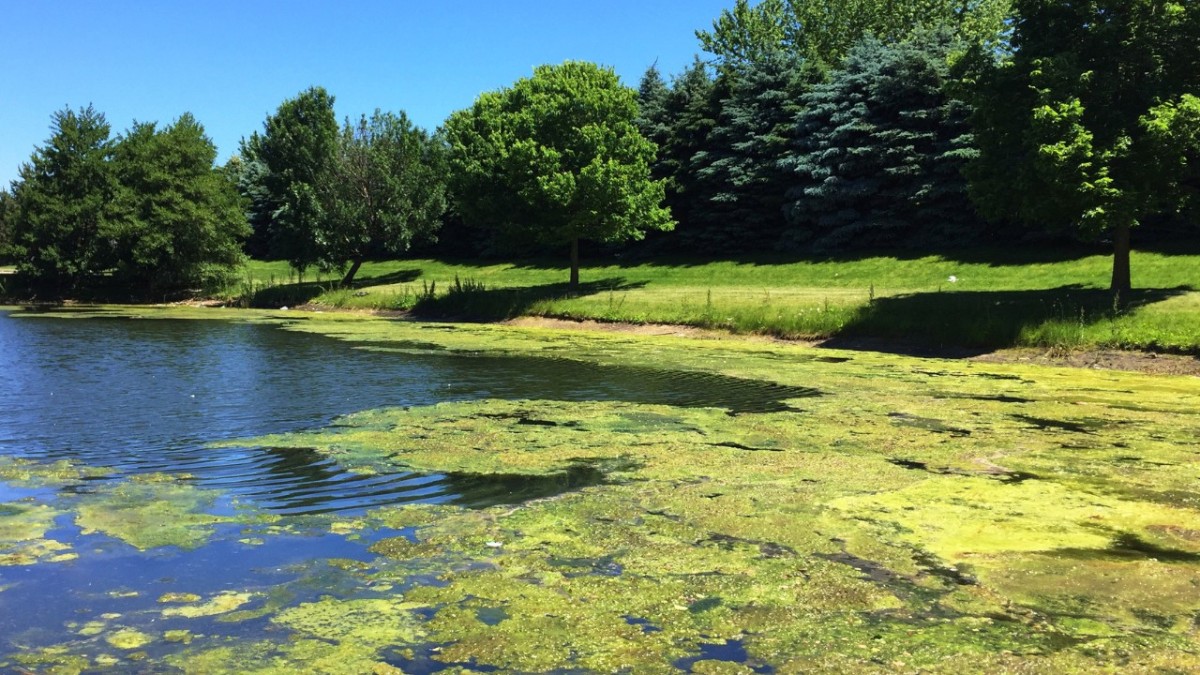
James Sumsion, Kohtari’s CEO, commented: “Addressing the growing issue of agal blooms is a perfect example of the water industry being confined by the current system of accumulating multiple data sets, systems and organisations. “
“Confirmation of an algal bloom typically arrives when a bloom has already escalated, forcing operators into costly, reactive decisions, with very limited visibility of what’s coming next. The real value comes when that risk can be seen earlier, giving operators the chance to take proportionate action before a more expensive response is required, saving costs, while helping to improve water resilience and protect public trust.”
‘Not yet more dashboards’
He added: “What we strongly propose is not yet more dashboards, but a clearer, joined-up predictive approach that completely changes what is currently a very limiting dynamic. By connecting and analysing environmental signals together with historical data, patterns emerge much earlier, enabling risks to be anticipated.
‘Shift in mindset’
“This arms operators with the ability to act sooner and with much greater confidence. Delivering such a shift in mindset and practice is not about replacing valuable human knowledge and operational judgement (which remains critical), but about equipping those responsible for managing water systems with far better insight.”
Kohtari has just recently launched its new AI-powered BloomIQ platform that brings together environmental, weather and water quality inputs, along with historical records and optional drone observations, to turn complex signals into clear data stories, predicting when and where blooms are likely to occur. By linking predicted risk to practical operational considerations, BloomIQ helps water companies understand not only what may happen next, but what earlier action could help them avoid.