Image source: Kateryna Babaieva pexels.com
AI-powered technologies are transforming critical operations across many major industries, with manufacturing standing as a prime example. Data reveals in 2025, as many as 77% of manufacturers adopted AI tools, with 93% seeing AI as a key driver of growth and innovation.
While AI technologies provide a long list of potential benefits spanning production, inventory management and training, some of the most impactful use cases for AI systems in industrial environments involve intelligent integrations with traditional security and safety infrastructure.
To understand how modern AI technologies could help to mitigate accidents, improve hazard detection and boost site-wide operational efficiency, in this post, we discuss what AI-powered vision can reveal about safety on the plant floor and how AI tools can help to protect workers.
Behavioural hazard identification
AI-powered cameras installed to cover high-risk areas on the plant floor can be used to spot and proactively combat behavioural safety risks. AI video analytics can autonomously detect dangerous behaviours like equipment misuse, signs of distraction and the improper handling of hazardous materials, then send instant alerts to operators requesting a relevant response.
Smart cameras with native AI analytics features can also be linked to wider security systems, enabling leaders to program automated responses to key risks. For example, via integrations with access control solutions, lockdowns may be initiated in response to dangerous activities.
AI vision can also be used to identify subtle signs of emerging hazards like exhaustion and repetitive strain risks. Cameras can scan work areas to detect signs of fatigue such as poor posture, closed eyes and yawning, enabling leaders to address risks before impacts are felt.
Real-time PPE monitoring
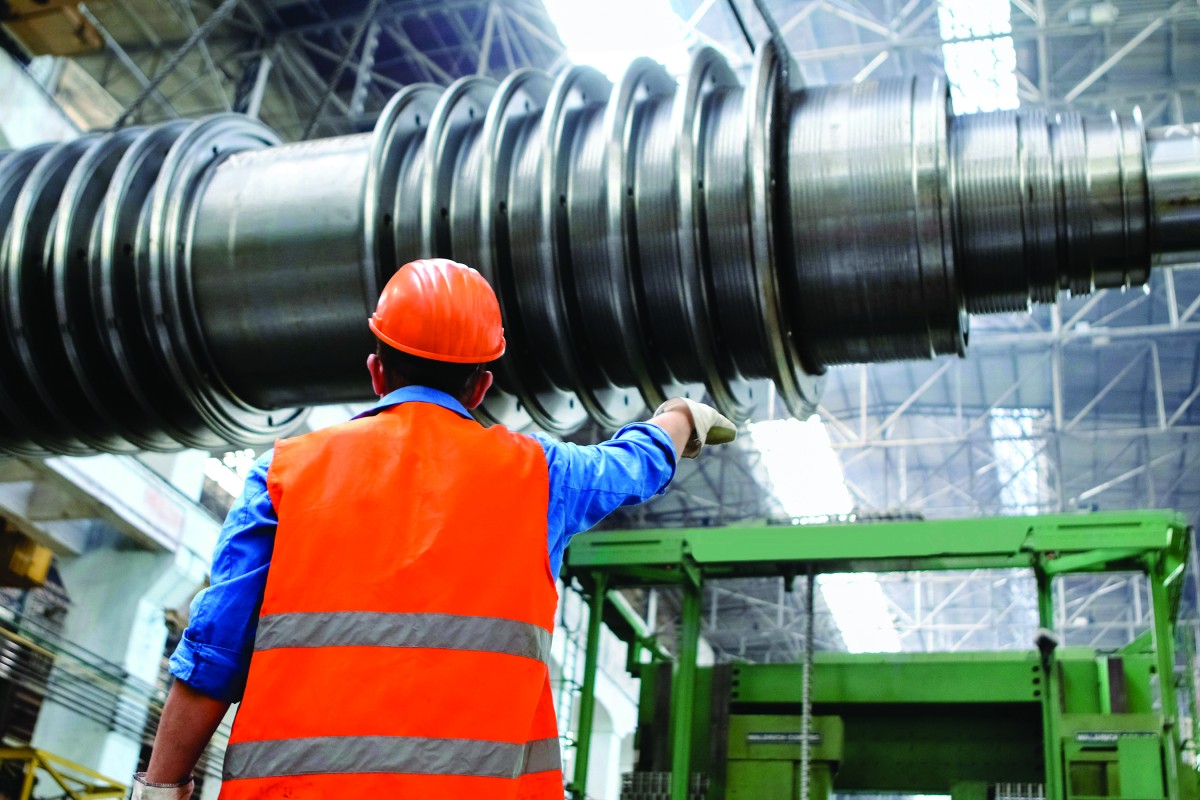
Some of the most impactful insights AI-powered vision can reveal about safety on the plant floor concern PPE misuse. Data suggests PPE misuse is a significant factor in almost 35% of workplace injuries, while 50% of workers in some fields admit to removing PPE prematurely.
AI-powered vision can help to ensure all workers are wearing appropriate PPE at all times by continuously scanning high-risk areas for signs of misuse. AI cameras can automatically spot a multitude of signs like the absence or misuse of helmets, gloves, masks and safety glasses and, via wider integrations, engage instant responses like alarms sounding and doors locking.
AI-powered cameras can also work in tandem with access control solutions to automatically block entry to high-risk areas in response to PPE misuse. Cameras can perform a scan when staff request entry to the plant floor and only allow doors to unlock if appropriate PPE is worn.
Safety risk trend analysis
Alongside identifying and helping to address hazards, AI-powered vision can help operators to better-understand why and when risks occur in their facilities. AI cameras can leverage machine learning and analytics software to identify trends in safety events, enabling leaders to generate site-specific reports detailing common times and likely causes of key safety risks.
Systems can be tailored to the unique needs of different plants, with operators able to adjust items covered in reports to include specific types of risks, near misses and actions that could result in injuries, helping to identify root causes and events that may otherwise go undetected.
In practice, this may reveal to plant operators that accidents often occur during shift changes or at times when fewer supervisors are on site. Leaders can use this data to inform targeted training and staffing adjustments in order to proactively address common workplace hazards.
Final word
Maintaining safe and secure industrial environments can be uniquely challenging, with many common risks posing threats to workers and potentially hindering important operations. Plant operators must utilise a combination of smart organisational practices and technology-based solutions to help minimise dangerous activities and guide swift, informed incident responses.
AI-powered vision shows promise in enhancing traditional security solutions to help address and prevent common safety risks. By integrating AI solutions into existing security systems, operators can better-understand unique risk landscapes and implement effective protections.